
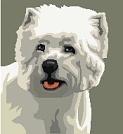
 Not
all tiny breeds make good lap dogs - some can be snappy and many
are sensitive to the squeals and enthusiasm of small children. Others,
like Terriers, are born to work, and won't appreciate living in
a fiat with little exercise. Toys can be stubborn but, with patience,
will learn lots of tricks and provide endless affection - there's
a toy to suit most people.
Not
all tiny breeds make good lap dogs - some can be snappy and many
are sensitive to the squeals and enthusiasm of small children. Others,
like Terriers, are born to work, and won't appreciate living in
a fiat with little exercise. Toys can be stubborn but, with patience,
will learn lots of tricks and provide endless affection - there's
a toy to suit most people.
The Kennel Club recognises 23 breeds, as follows: Affenpinscher,
Australian Silky Terrier, Bichon Frise, Bolognese, Cavalier King
Charles Spaniel, Chihuahua (long coat), Chihuahua (smooth coat),
Chinese Crested, Colon De Tulear, English Toy Terrier (black and
tan), Griffon Bruxellois, Havanese, Italian Greyhound, Japanese
Chin, King Charles Spaniel, Lowchen (little lion dog), Maltese,
Miniature Pinscher, Papillon, Pekingese, Pomeranian, Pug and Yorkshire
Terrier. However, you can add several Terriers to the list of dogs
that are small in stature but big on personality, such as the Fox,
Scottish and Cairn Terriers and, of course, the popular Jack Russell.
Many tiny dogs develop bad eating habits as they are all too often pampered and fed the wrong things. Toy breeds are prone to bone problems, skin complaints and decaying teeth - consider choosing a complete meal aimed at Toy or Mini dogs, which will give your pet all the vitamins and minerals he needs, and will help to control his weight.
Several pet food companies make foods targeted at the smaller breed. One of the main problems with feeding small breeds is the tendency to overfeed, which can lead to digestive and skin problems, not to mention smelly breath and poor teeth, so keep to the recommended feeding amounts and not too many treats!
While it is normally true that the smaller the dog, the longer the lifespan, there are congenital problems that can greatly impair your little one's life. You can increase your chances by buying from a reputable breeder and choosing a strong, healthy puppy - but responsible ownership and the life-enhancing benefits that go with it are down to you. Some breeds are delicate - be careful with the adorable but fragile English Toy Terrier, Italian Greyhound or Miniature Pinscher. The Affenspinscher, Japanese Chin and Yorkshire Terrier are also at risk of bone fractures.
Allergies and skin problems tend to affect the Australian Silky Terrier, Bichon Frise, Pug, Chinese Crested, Havanese and Pomeranian.
One of the most common complaints for tiny dogs is a subluxating patella, which is a genetic problem of the kneecap, leading to lameness and arthritis. Breeds prone to this are the Australian Silky Terrier, Bichon Frise, Bolognese, Cavalier King Charles Spaniel, Chihuahua, English Toy Terrier, Havanese, Italian Greyhound, Japanese Chin, King Charles Spaniel, Lowchen, Maltese, Miniature Pinscher, Papillon, Pekingese and Pomeranian.
Eye complaints affect the Chihuahua, Griffon Bruxellois, Havanese, Japanese Chin, Maltese, Miniature Pinscher, Papillon, Pekingese, Pomeranian and Pug. Those prone to eye and ear complaints are the Bichon Frise, Cavalier King Charles Spaniel and the often-confused King Charles Spaniel.
Respiratory complaints are widespread, especially in short muzzled breeds. Watch the Affenpinscher, Chihuahua, Griffon Bruxellois, Pekingese and Pug.
Of course, there are other breed-specific complaints, but tooth decay is worth a mention. Take particular care of the Chihuahua, Italian Greyhound, Japanese Chin, Pomeranian and Yorkshire Terrier.
The healthiest breeds tend to be the Bolognese, Coton Du Tulear, English Toy Terrier, Havanese, Lowchen, Maltese and the Miniature Pinscher.
Research your ideal breed before you buy - that cute little pup may grow into a dog that happily, and unwisely, takes on dogs five times his size.
Do you want a dog who will double up as a watchdog? If so, consider the Chihuahua, Shih Tzu, Toy Poodle or the Yorkshire Terrier. These tend to be excitable and will bark at the drop of a hat. These same characteristics make them less suitable for an older owner, who may want something more docile, like the Bolognese.
Toy breeds may be short on legs but it doesn't follow that they'll be short of trouble. In a recent UK survey of our most destructive dogs, the Chihuahua came in second, causing £638-worth of damage to homes on average. Also representing the smaller breeds is the Daschund, coming in at a more respectable eighth, but still responsible for more than £440 damage each.
Some breeds need a lot of care and attention to keep them comfortable and looking good. The Coton De Tulear, Havanese or Japanese Chin, for example, all have profuse coats that need plenty of grooming. Conversely, the Chinese Crested, with his smooth and hairless body, needs to be kept warm and will benefit from sunscreen whenever he goes out.
Even the more highly-strung Toys don't need that much exercise when compared to larger breeds. They are equally as happy in the town or in the country.
Most small breeds are easy to train, and bad tempered little dogs are usually those whose owner didn't train them properly in the first place.
Terriers, in particular, are cunning little characters that can become unruly if not trained well. They were bred for stamina, gutsy behaviour and to hunt. All this energy needs to be aimed in the right direction.
(source PPM magazine)
 |

|